
Runa Simi – The Language of the People
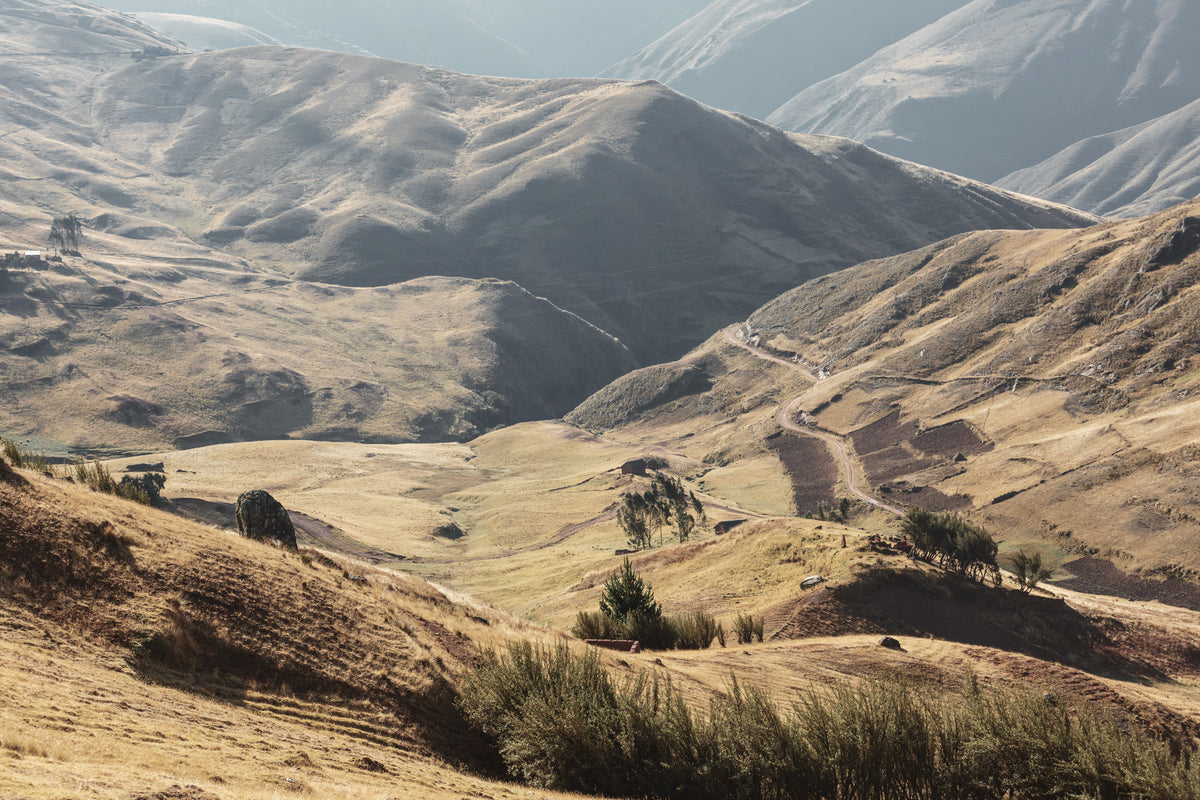
In the Andes, people speak a language its speakers call Runa Simi, the language of the people. It is better known as Quechua. It carries the names of the mountains, the animals and the things of everyday life, and to this day it lives on in the villages of the highlands, at the markets and within families.
Older than the Inca Empire
Quechua was spoken in the Andes before the Inca built their empire. They made it the language of their administration, from the valleys of Ecuador to the north of Chile and Argentina. Along their roads and with their messengers, it reached every corner of the empire. Today it is spoken by around eight to ten million people, most of them in Peru.

Written in Knots
The Inca recorded numbers and messages in knotted cords, the khipus. Spun from cotton and the fibres of the Andean camelids, they held harvests, tributes and the number of people in the colour, position and type of their knots. Here, knowledge was quite literally tied. Many khipus still keep their secrets to this day.
Here, knowledge was quite literally tied.
A Living Language
Through Spanish, words from Quechua found their way into many languages: llama, puma, condor, quinoa, pampa, poncho. The vicuña, too, takes its name from this language. Whoever says these words speaks a little Quechua, often without knowing it.
Since 1975, Quechua has been an official language in Peru, alongside Spanish. Almost four million people in the country speak it. It can be heard at the markets of Cusco, in the communities of the puna, on the radio and in the music of a young generation discovering it anew.
Words That Remain
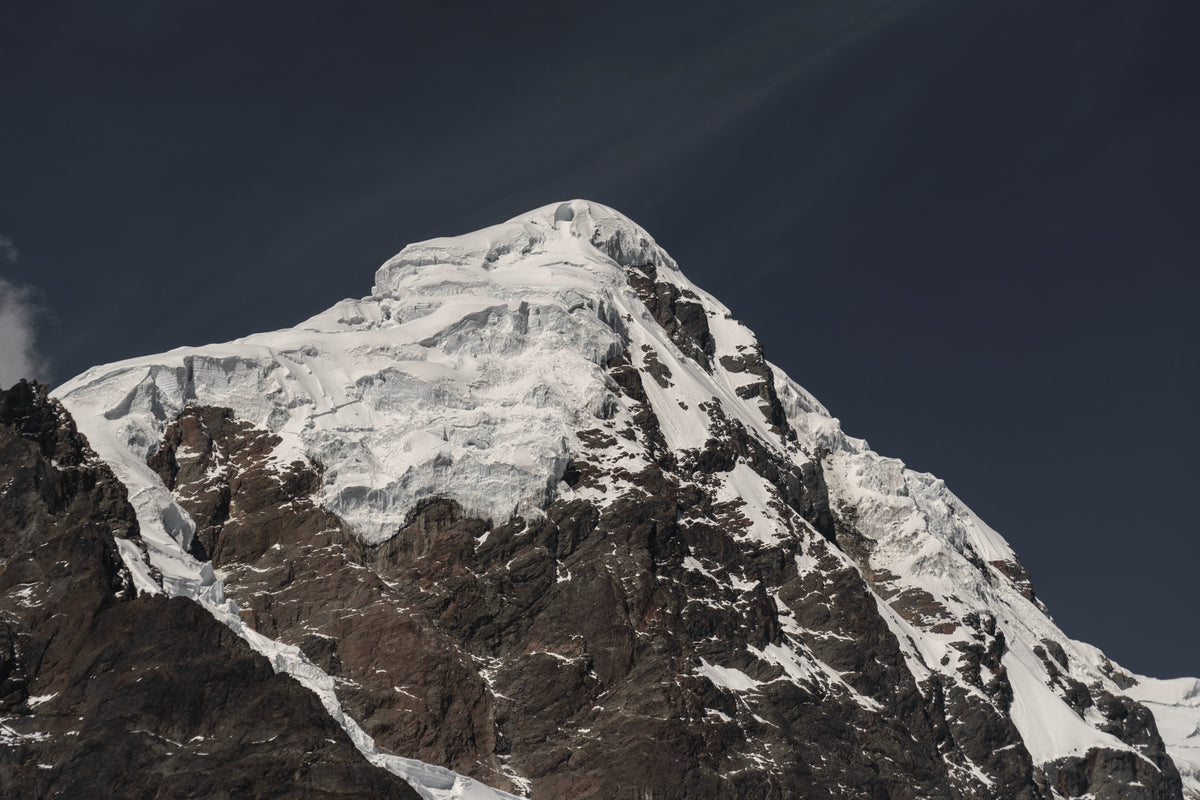
The name APUKAI also comes from Quechua. Apu are the lords of the mountains, the peaks that watch over the highlands. Kay means being, the here and now. Many of our pieces also bear names from this language, words such as qory, gold, rumi, stone, and sisa, blossom. In them lives a way of seeing the world: close to the mountains, the animals and the work of the hands.