
Care and Storage
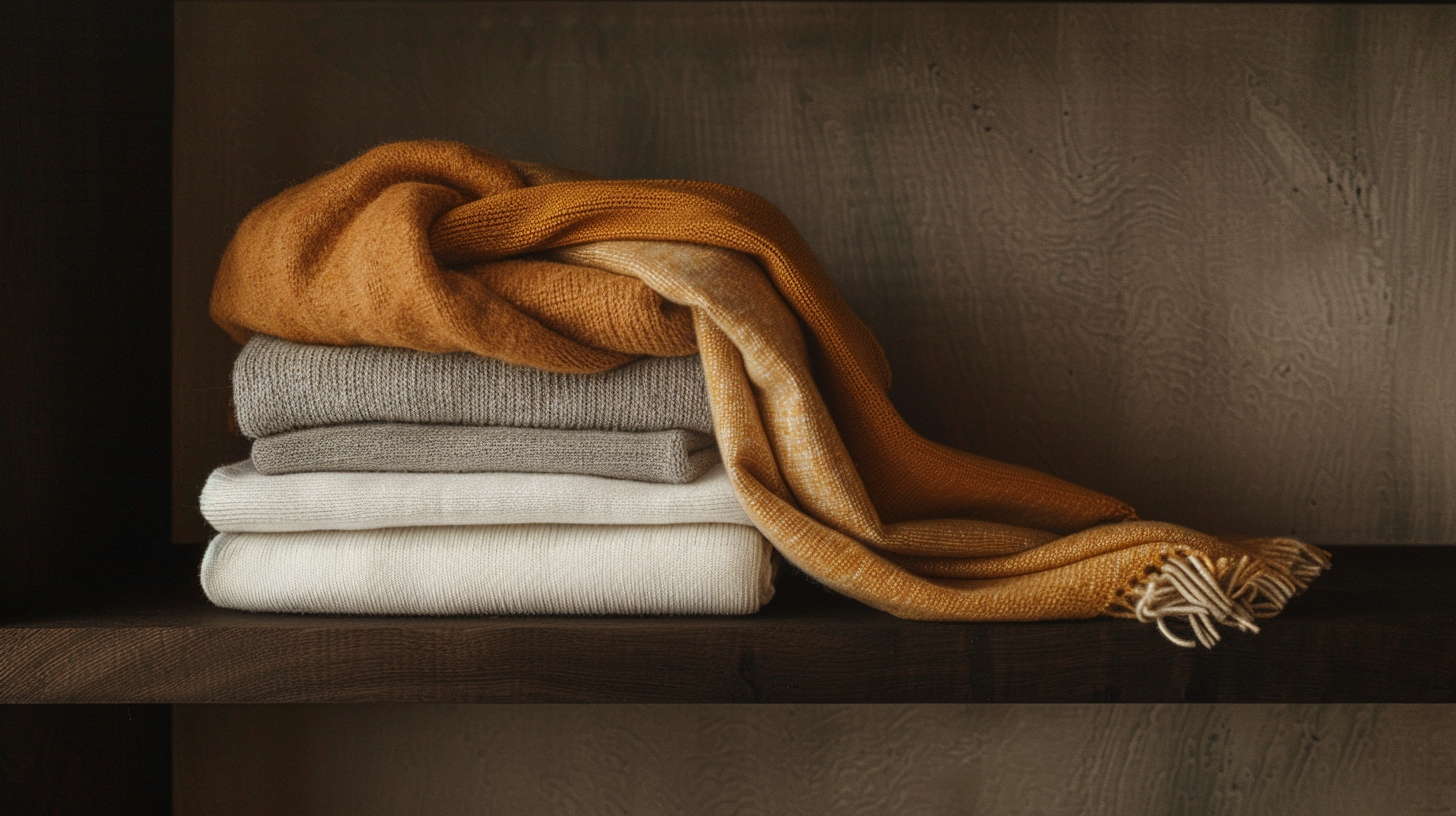
A garment made of vicuña, alpaca, or Peruvian Pima cotton is not a consumer good, but a piece of craftsmanship that, with the right care, will last for decades. Each of our fibers has its own unique nature: some are forgiving, others require restraint. We will show you how to preserve the heritage of the Andes in all its quality.
Quick overview
Pima cotton
Hand wash at 30°C.
Dry flat.
Store folded in a cotton bag.
Alpaca
Dry clean recommended.
Dry flat, away from heat.
Store folded in a cotton bag.
Vicugna
Professional dry clean only.
Store in the lined wooden box or folded in the cotton bag.
Peruvian Pima cotton has exceptionally long fibers, making it particularly tear-resistant and shape-retentive. While easier to care for than our animal fibers, it still deserves careful handling.
Wash Pima cotton at a low temperature, maximum 30°C, preferably on a delicate cycle or by hand using a mild, fragrance-free detergent without bleach. Turn the garment inside out beforehand to protect the color and surface. It is best to avoid the tumble dryer entirely: dried flat and gently pulled into shape, the piece will retain its fit. Medium heat is sufficient for ironing, ideally while slightly damp or with a little steam.
Alpaca fiber is naturally antibacterial and odor-resistant. Your alpaca garments therefore require less frequent cleaning than one might initially assume. Frequently airing them out is often enough to replace washing.
Heat and friction are the greatest enemies of this fiber; both can cause it to felt and permanently lose its shape. We recommend professional dry cleaning. In the event that you still wish to wash your garment by hand:
Fill a clean basin with cold water and a small amount of mild, pH-neutral detergent. Rinse the garment twice in clear, cold water and gently squeeze out excess water without wringing. Afterwards, lay it flat between two towels, roll them up, and let the water absorb for a few minutes. Then, place the garment on a dry towel and gently shape it; never hang it up, and let it dry away from direct sunlight and heat sources. If necessary, smooth out remaining wrinkles with a little steam.
If you lack the time for hand washing, take the piece to a professional cleaner. Always provide the care label and point out any stains separately.
For refreshing between washes, a two-part natural bristle brush (firmer inside, softer outside) is suitable. It lifts the pile and removes light pilling without pulling the fiber.
Vicuña is the rarest and finest animal fiber in the world, thinner than human hair and correspondingly delicate. We strongly advise against hand-washing Vicuña pieces.
Entrust them exclusively to a professional dry cleaner with experience in handling the finest animal hairs. Instead of washing the piece, it is better to air it out in a shady, well-ventilated place after wearing, and avoid repeated friction from bag straps, belts, or jewelry in the same spot. Occasional, gentle brushing in the direction of the fiber, ideally with a pure natural bristle brush without a hard core, lifts the pile and maintains its luster and drape without stressing the fine fiber.
Your Vicuña piece is delivered in a wooden box with a soft lining, which provides sufficient protection for the fiber. Store the piece directly inside to protect it from light, pressure, and dust while allowing sufficient air to circulate. The cotton bag is additionally suitable for when you are on the go, such as when traveling and the box is not at hand.
Storage
The greatest enemies of stored natural fibers are not time, but moths and moisture.
Clean an item before storing it for the warmer season. Every APUKAI piece is delivered in a cotton bag that allows air to circulate; keep your piece in it, as this already provides reliable protection against dust and moisture. Vicuña pieces also come with a lined wooden box, which is the appropriate storage in itself; the piece can be placed directly in the box, and the bag should be reserved for travel. Additionally, natural agents such as fragrant woods or herbs keep moths away and are gentler on the fiber than chemical mothballs. It is best to avoid plastic or dry-cleaning covers entirely, as they trap moisture, which causes the fiber to felt. And fold your pieces instead of hanging them to prevent knitwear and fine fabrics from stretching or losing their shape.