
Cusco - Historic Center
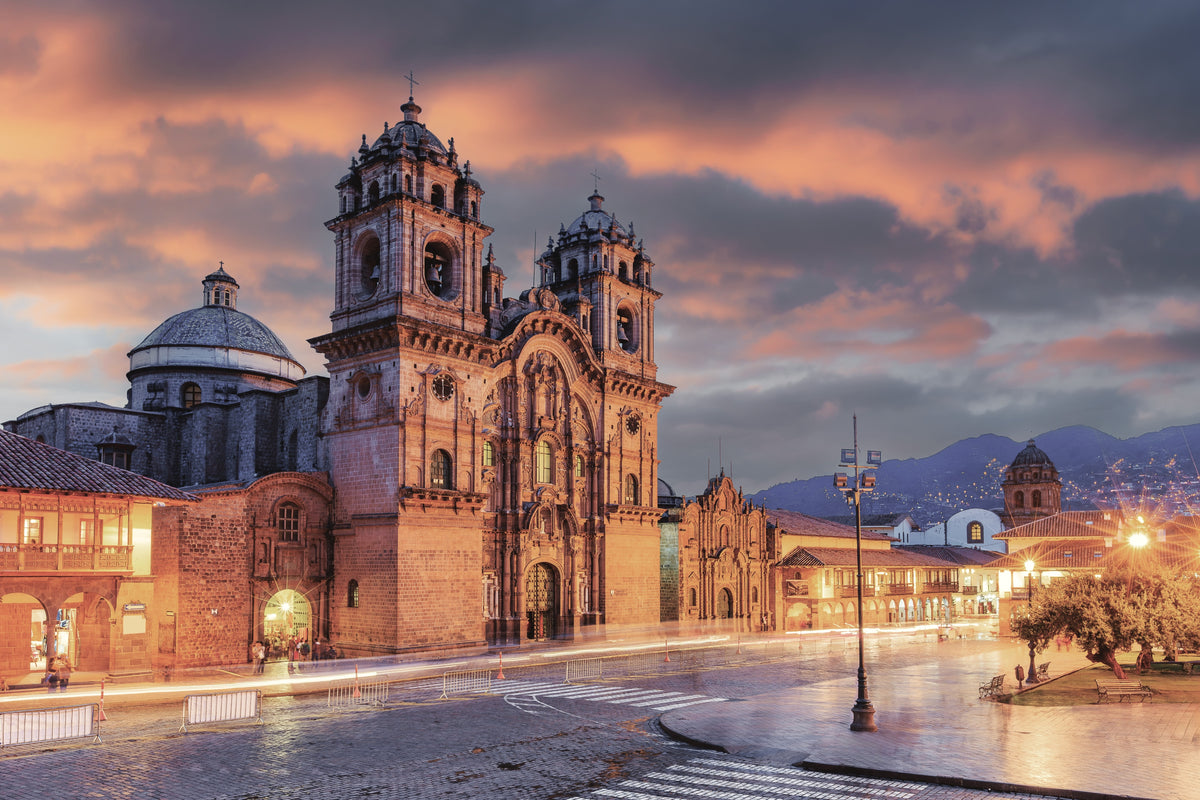
Cusco is located at an altitude of 3,399 meters in the Río Huatanay valley, surrounded by the peaks of the southern Peruvian Andes. As the historic capital of the Inca Empire, the region is of fundamental importance to Andean textile history. Even in pre-Columbian times, fine fabrics made from alpaca and vicuña fibers were valued more highly here than precious metals. Today, Cusco marks the geographical transition between the protected valleys and the high plateaus. The city serves as the direct gateway to the cultural origins from which the deep knowledge of these natural fibers stems.
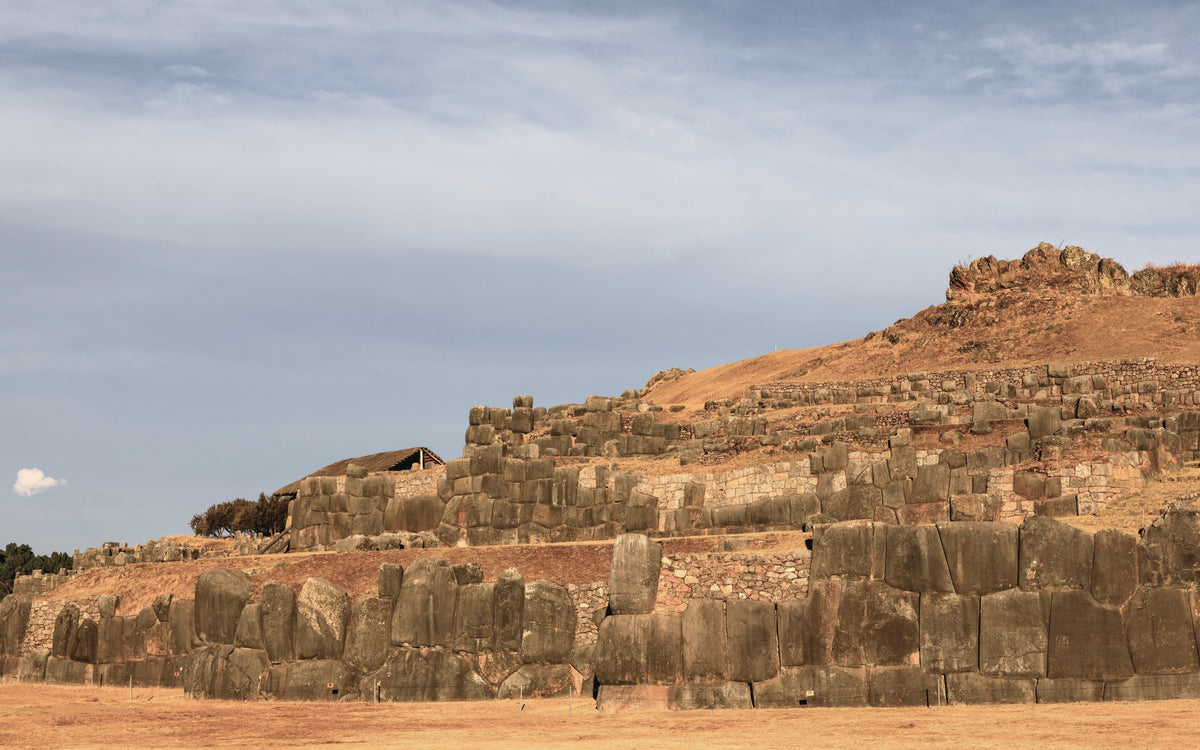
The architectural structure
The urban foundation of Cusco is based on a highly precise construction method. The massive stone blocks of the historical foundations were precisely hewn and joined together without any mortar. This polygonal assembly gives the structures enormous stability and absorbs seismic movements. The city's current architecture rests upon these earthquake-proof stone structures.

The Puna plateau
Above the city, starting at an altitude of 4,000 meters, begins the vast Puna steppe. This is home to domesticated alpaca herds and wild vicuñas. The harsh microclimate, with its thin air and significant temperature fluctuations between day and night, compels the animals to develop a dense, thermally insulating fleece. The fiber is the direct biological result of this environment.

Manual textile production
In the communities around Cusco, the knowledge of processing alpaca and vicuña fibers is still preserved to this day. Local artisans use the traditional backstrap loom for production. This technique requires a precise understanding of the tensile strength and structure of the yarns. Every step, from spinning the raw fiber to the finished fabric, is based on pure manual labor.
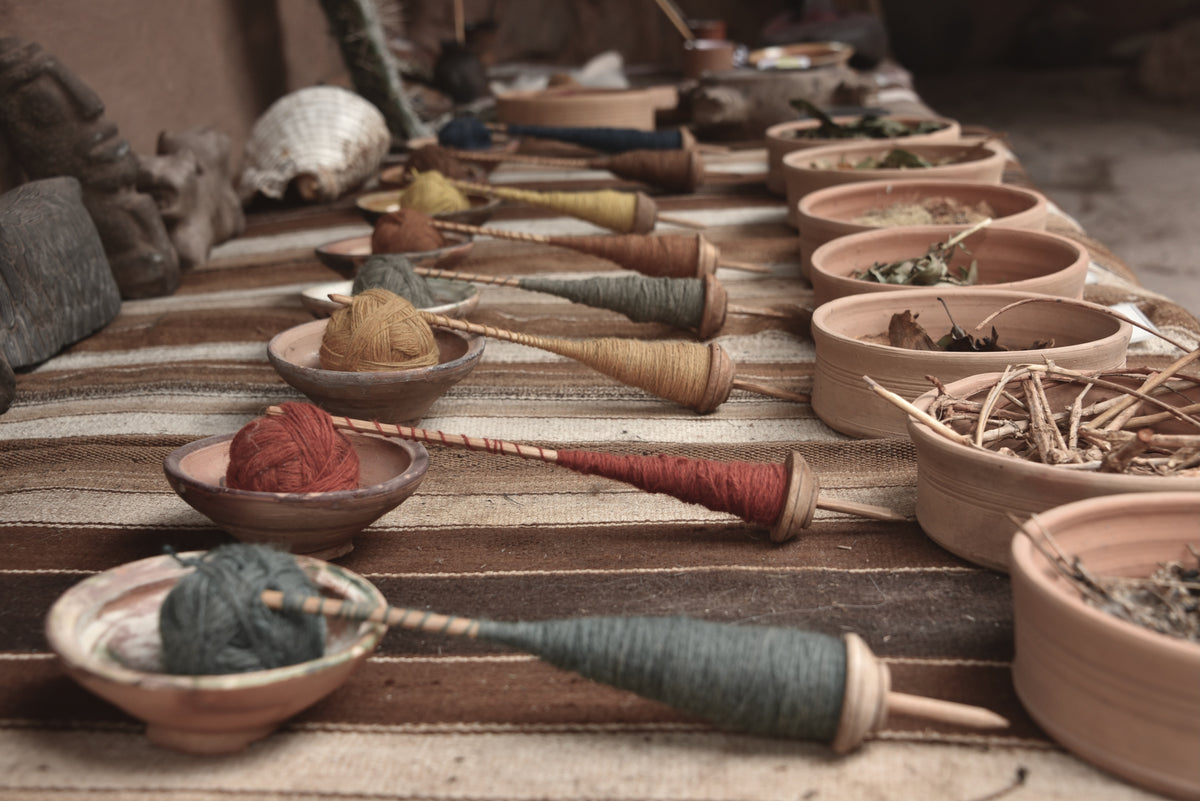
Natural dyeing processes
A significant part of this local expertise lies in the coloring of the alpaca fibers. The yarns are refined with dyes derived exclusively from nature. Local plants, barks, minerals, and cochineal provide the material for complex dyeing processes. This natural and chemical-free processing protects the structure of the fiber and ensures its longevity.