
Arequipa - The White City

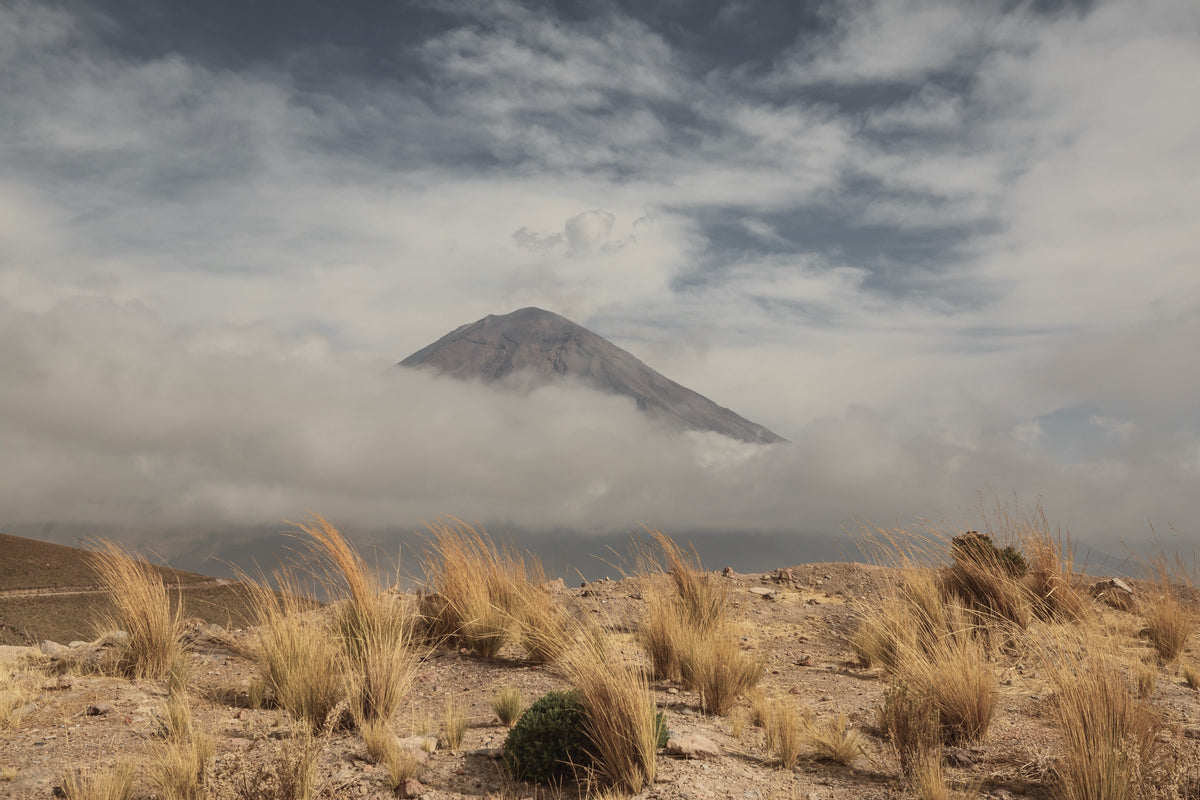
Arequipa is Peru’s second-largest city. It is situated at an altitude of over 2,300 meters and is framed by three massive volcanoes. Historically and geographically, the city forms the link between the extreme altitudes of the southern Andes and the Pacific coast. For the global textile industry, Arequipa has been the center for the processing of the finest natural fibers since the 19th century.
The Stone Heritage
Arequipa bears the name of the White City. Its historic center is now a UNESCO World Heritage site and was built almost entirely of sillar. This white, porous volcanic rock comes from the ejecta of the neighboring Chachani volcano. Due to the constant seismic activity in the region, architects had to develop a massive style of construction with thick walls and heavy vaulted arches. This stony durability continues to shape the city's structure to this day.

The Way Out of the Highlands
The city itself is not located in the natural habitat of the vicuñas. Rather, it serves as a central collection point. In the late 19th century, it was the construction of the Southern Peruvian Railway that connected the barren Altiplano with the city and the export ports. To this day, the raw fleece travels down from the extreme altitudes to the manufactories of Arequipa. Here, rough nature meets a mature industrial structure.

Master Classifiers
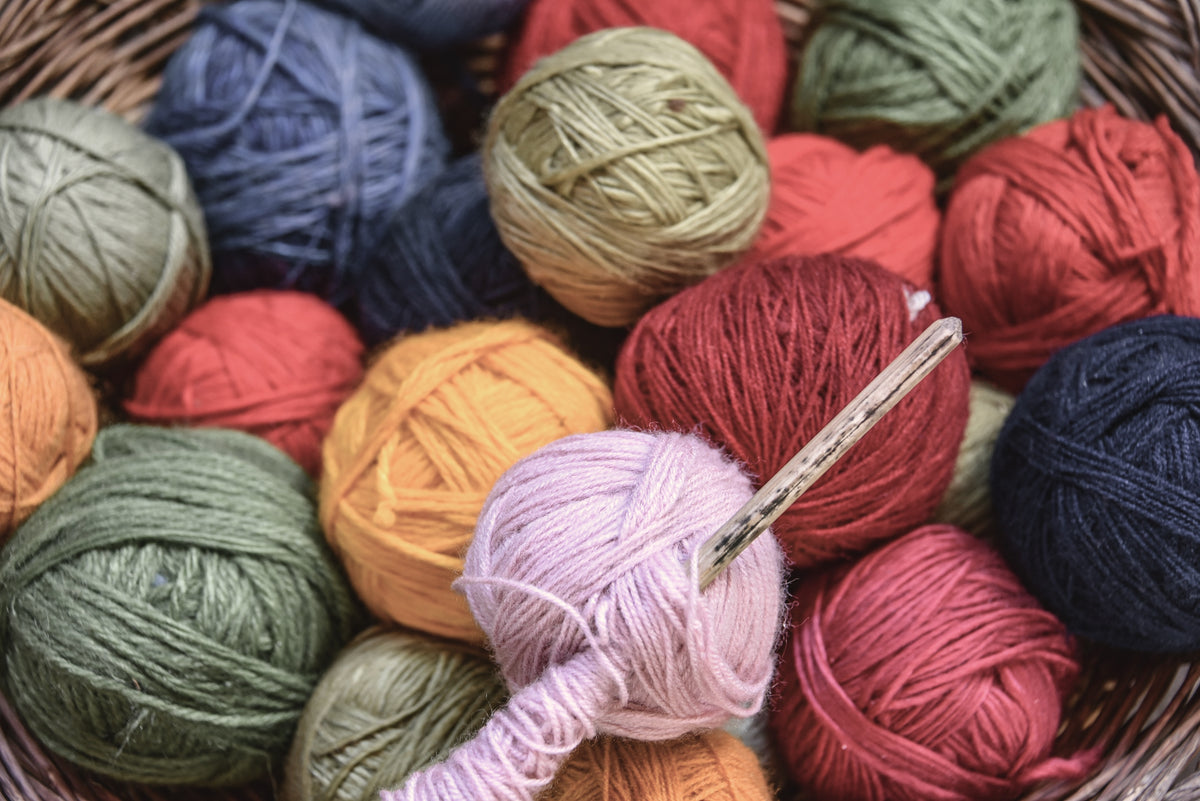
The value of Arequipa for fiber processing lies in a craftsmanship expertise that to this day cannot be replaced by machines. In the city's workshops, the so-called Maestras Clasificadoras are at work. These women have mastered a craft whose knowledge is often passed down within families through generations. Under the natural daylight of the Andes, they sort the raw fleece. Relying solely on their experience and sense of touch, they separate the fibers in seconds according to their exact fineness in microns and their subtle color nuances.
The ideal climate
The Arequipa location offers a decisive climatic advantage for fiber processing. At an altitude of 2,300 meters, there is an extremely dry and constant desert climate with over 300 sunny days a year. This climate is essential for raw and untreated vicuña fiber. The extremely low humidity prevents the delicate fleece from absorbing moisture or losing quality before processing. The area surrounding the city acts as a natural shelter for the raw material.